

10 Reasons Your Plan for Preventing Burnout in Healthcare Leaders Isn’t Working
If I see one more "Wellness Wednesday" email sent to a director who hasn't had a full night's sleep in three weeks, I might lose it.
I’ve been in the room with healthcare executives and public health leaders across the country. I see the same thing everywhere: organizations are spending thousands: sometimes millions: on "burnout prevention training," yet their best people are still walking out the door. The turnover is staggering, and the remaining leaders are running on fumes.
Why is the current approach failing? Because most plans are built for a world that doesn’t exist anymore. We aren't just dealing with "stress." We are dealing with a systemic, high-velocity collapse of professional boundaries and mental bandwidth.
I want to be direct with you. If your retention is slipping and your leaders look like they’re underwater, it’s likely because your burnout plan is missing the mark. Here are the 10 reasons why your current strategy isn’t working: and what we need to do to fix it.
1. The 'Fruit Basket' Fallacy (Perks vs. Systems)
I call this the "Fruit Basket" fallacy. It’s the idea that if we just provide enough perks: yoga classes, free snacks, or a subscription to a meditation app: the burnout will vanish.
Don't get me wrong, I love a good apple. But perks do not fix broken systems. If your leaders are drowning in administrative red tape and archaic EMR systems, a 10-minute meditation isn't the cure. Leadership burnout in healthcare is often a logical response to an illogical environment. We need to stop trying to "resilience-up" the individual while leaving the toxic workflow untouched.
2. Lack of a Resilience Roadmap (TALK ONE Focus)
Most organizations treat burnout prevention as a one-off seminar. You bring someone in, they talk for an hour, everyone feels good for an afternoon, and then they go back to the chaos.
In my TALK ONE (Preventing Burnout) sessions, I emphasize that you can't build a house without a blueprint. Without a clear Resilience Roadmap, your leaders are just wandering. They need a step-by-step strategy for how to navigate the specific pressures of 2026: not just vague advice to "take a break."
3. The Shadow of Perfectionism
Healthcare is a field where "good enough" can literally be fatal. We’ve cultivated a culture where perfectionism is the baseline. While that’s great for clinical outcomes, it’s a disaster for leadership longevity.
I’ve seen firsthand how high-achieving leaders hold themselves to impossible standards. They feel that if they admit they are struggling, they are failing their patients and their team. If your burnout plan doesn't explicitly address the "Hero Complex" and the shadow of perfectionism, your leaders will keep burning out in silence to maintain the facade of strength.
4. Decision Fatigue without Reframing
Every single day, healthcare leaders make hundreds of high-stakes decisions. By 2:00 PM, their "decision muscle" is exhausted. Most prevention plans tell leaders to "delegate more," but they don't teach them how to reframe adversity.
When every obstacle feels like a catastrophe, decision fatigue sets in twice as fast. We have to teach leaders to categorize challenges: what is a true crisis and what is just "the cost of doing business"? Reframing isn't just a soft skill; it's a survival mechanism for the brain.
5. Ignoring Cognitive Load
Our brains haven't evolved as fast as our technology. Between Slack, email, EHR alerts, and the constant stream of AI-generated data, the cognitive load on a modern leader is astronomical.

If your burnout prevention training doesn't account for the sheer volume of information leaders have to process, it’s incomplete. We need to help leaders create "cognitive firewalls": intentional periods where they disconnect from the digital noise to focus on high-level strategy. Without this, the brain stays in a permanent state of high-beta wave stress.
6. A Culture of 'Always On'
I hear it all the time: "I checked my email at 10 PM just so I wouldn't be overwhelmed in the morning."
The "Always On" culture is the silent killer of healthcare leadership. If your C-suite is sending emails on Saturday morning, your middle managers feel they have to reply. This creates a cycle of hyper-vigilance. You can't prevent burnout if "rest" is viewed as a sign of low commitment. We need to normalize the "unplug."
7. Lack of Peer Support
Leadership is incredibly lonely. The higher you go, the fewer people there are who truly understand the weight on your shoulders.
Many plans focus on the relationship between a leader and their subordinates, but they ignore the need for Peer Support. Leaders need a "safe harbor" where they can speak candidly with people who are in the same trenches. Without this, isolation becomes the primary driver of emotional exhaustion. This is why I'm such a big believer in cohort-based learning, like what we do in our group coaching sessions.
8. Disconnect from 'Why'
Why did you get into healthcare? It probably wasn't to manage spreadsheets or fight with insurance companies. It was to help people.
Burnout happens fastest when there is a gap between a leader's daily tasks and their core "Why." A successful plan must include time for leaders to reconnect with their mission. If they are struggling for retention, it’s often because the team has lost sight of the impact they’re making.
9. Treating Symptoms, Not Causes
If you have a headache because you’re hitting your head against a wall, I can give you an aspirin, but the real solution is to stop hitting the wall.
Most preventing burnout in healthcare leaders programs are "aspirin" programs. They treat the exhaustion (the symptom) but ignore the 70-hour work week or the lack of resources (the cause). We have to be brave enough to look at the structural causes of burnout. If we don't, we’re just putting a band-aid on a bullet wound.
10. No Executive Coaching Support
Finally, the biggest missing piece is often one-on-one support. You wouldn't expect an Olympic athlete to train without a coach, so why do we expect healthcare leaders to navigate the most stressful job in the world alone?
Generic training is a start, but Executive Coaching is what creates lasting change. It provides the accountability and the tailored strategies that a group seminar simply can't offer. Investing in executive coaching isn't a luxury; in 2026, it’s a necessity for talent retention.
Where Do We Go From Here?
Look, I know you’re tired of the "buzzword" solutions. You need something that actually works because your team is counting on you.
The reality is that resilience isn't something you have; it's something you build. It requires a shift in how we think, how we lead, and how we protect our mental space.
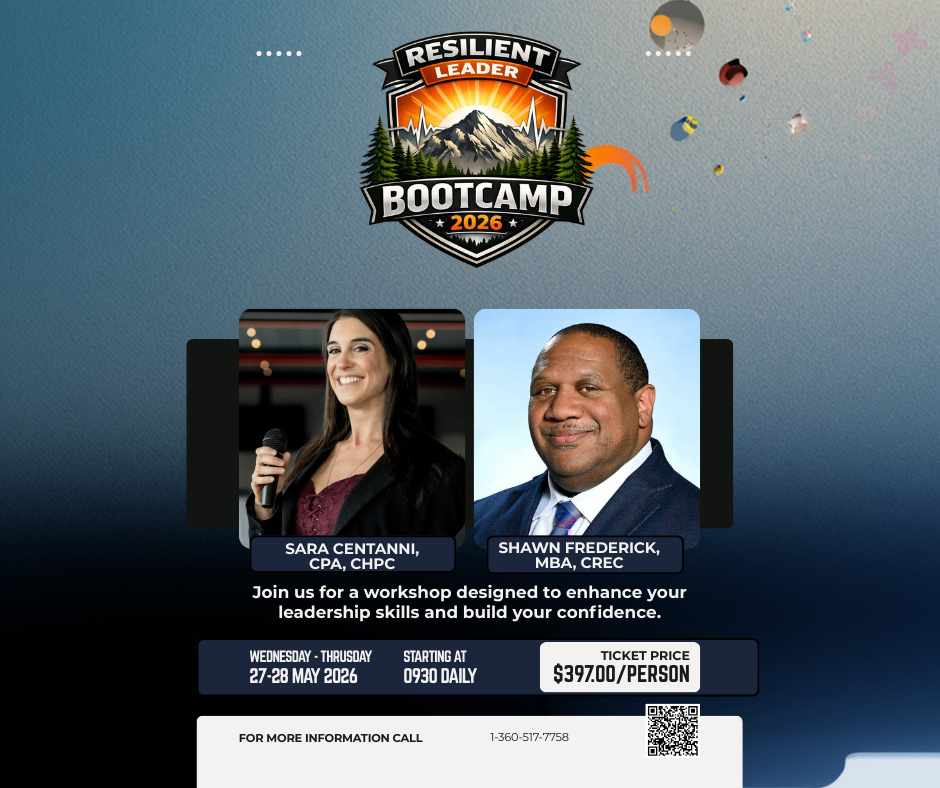
If you’re ready to move past the "fruit basket" approach and actually equip your leaders with the tools they need to thrive, I’d love to see you at our upcoming Resilient Leader Bootcamp.
We’re hosting this intensive, two-day event on May 27–28 in Lake Stevens. It’s not just another lecture. We’re going to dive deep into the specific strategies that prevent burnout and build long-term mental grit. We’ll be covering everything from reframing adversity to managing the "always on" culture.
Together, we can move from surviving the day to actually leading with confidence again. No leader is an island: let’s build that roadmap together.
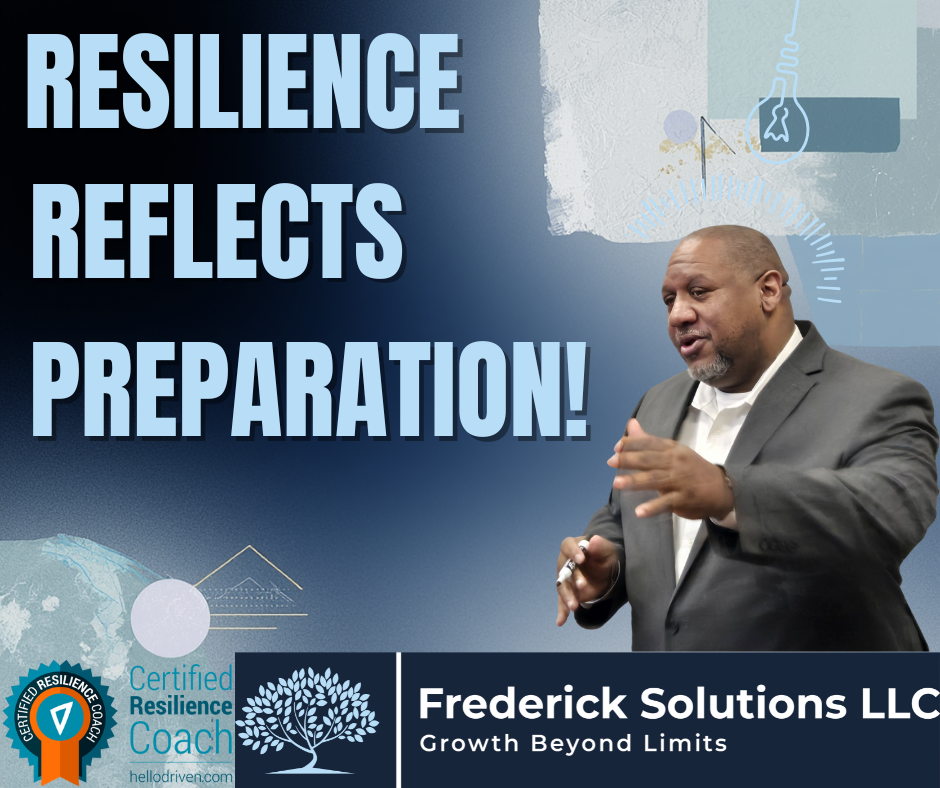
Be kind to yourself, and remember: your resilience reflects your preparation. Let's get to work.
: Shawn Frederick, CEO, Frederick Solutions LLC


Comments