

The Burnt-Out Manager's Guide to Executive Resilience Coaching in 2026
If you're reading this at 11 PM after finally closing your laptop, or you've caught yourself snapping at someone who didn't deserve it, or you simply can't remember the last time you felt energized about your work, you're not alone. And more importantly, you're not broken.
Leadership burnout in 2026 isn't a personal failing. It's a signal.
It's your system telling you that the way you've been leading, the patterns, the pace, the pressure you're carrying, isn't sustainable anymore. And here's what I've learned after years of working with burnt-out managers: the solution isn't to push harder. It's to lead differently.
That's where executive resilience coaching comes in.
When You Know You Need More Than a Vacation
Let me be clear: I'm all for time off. Rest matters. But if you're coming back from vacation already dreading Monday, or you're using your PTO to catch up on sleep because you're perpetually exhausted, a week away isn't going to solve what's happening beneath the surface.
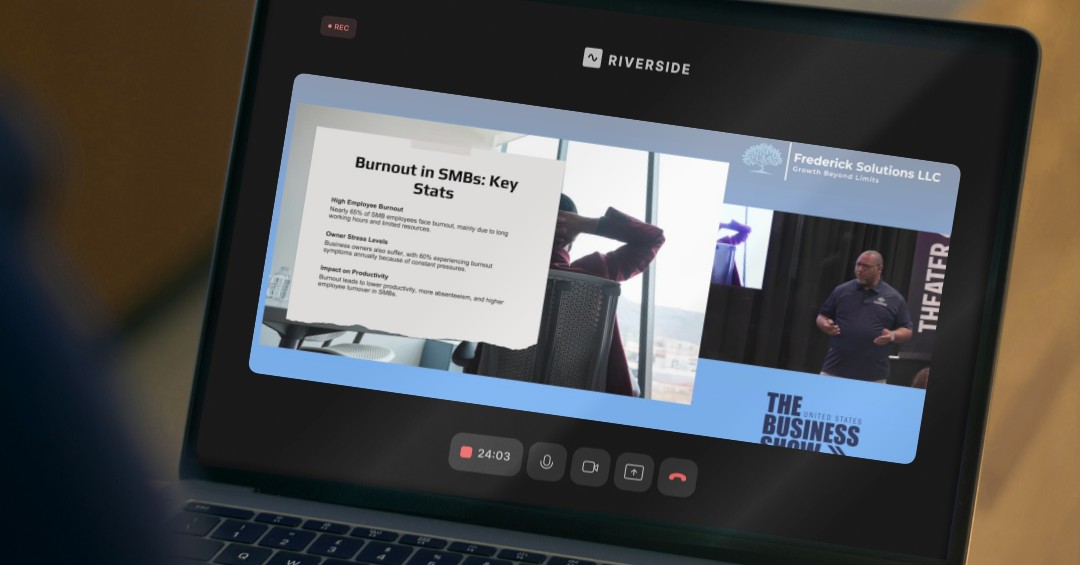
Burnout typically shows up when your familiar leadership approaches stop working. The stakes feel higher. The pace has increased. You're carrying responsibility for people, outcomes, and organizational direction, but there's no space to pause, reflect, or recalibrate.
I've seen this pattern repeat with managers across healthcare, nonprofits, and high-growth companies. You notice yourself reacting instead of responding. Decision fatigue sets in earlier each day. You're delegating less because it feels faster to just do it yourself. And despite working longer hours, you're getting less done that actually matters.
If any of this resonates, executive resilience coaching isn't a luxury. It's infrastructure.
What Executive Resilience Coaching Actually Is
Let's get tactical about what we're talking about here.
Executive resilience coaching isn't therapy. It's not a wellness program. And it's definitely not someone telling you to meditate more and everything will be fine (though mindfulness has its place).
It's a confidential, customized partnership designed to help you lead from a place of clarity, groundedness, and sustainable energy, even when the external pressure isn't letting up.
Think of it as creating space to slow down so you can speed up in the right direction. Instead of adding more techniques to your already overflowing toolkit, coaching helps you examine the patterns quietly shaping your decisions, relationships, and capacity.
The methodology I use draws from somatic awareness, positive neuroplasticity, and leadership presence. We work beneath surface behaviors to shift what's actually driving your stress response and depleting your resilience.
The Real Benefits (Beyond "Stress Management")
When managers first come to coaching, they often want practical tools for handling their current crisis. And yes, we address that. But what keeps them engaged is the deeper transformation that happens over time.
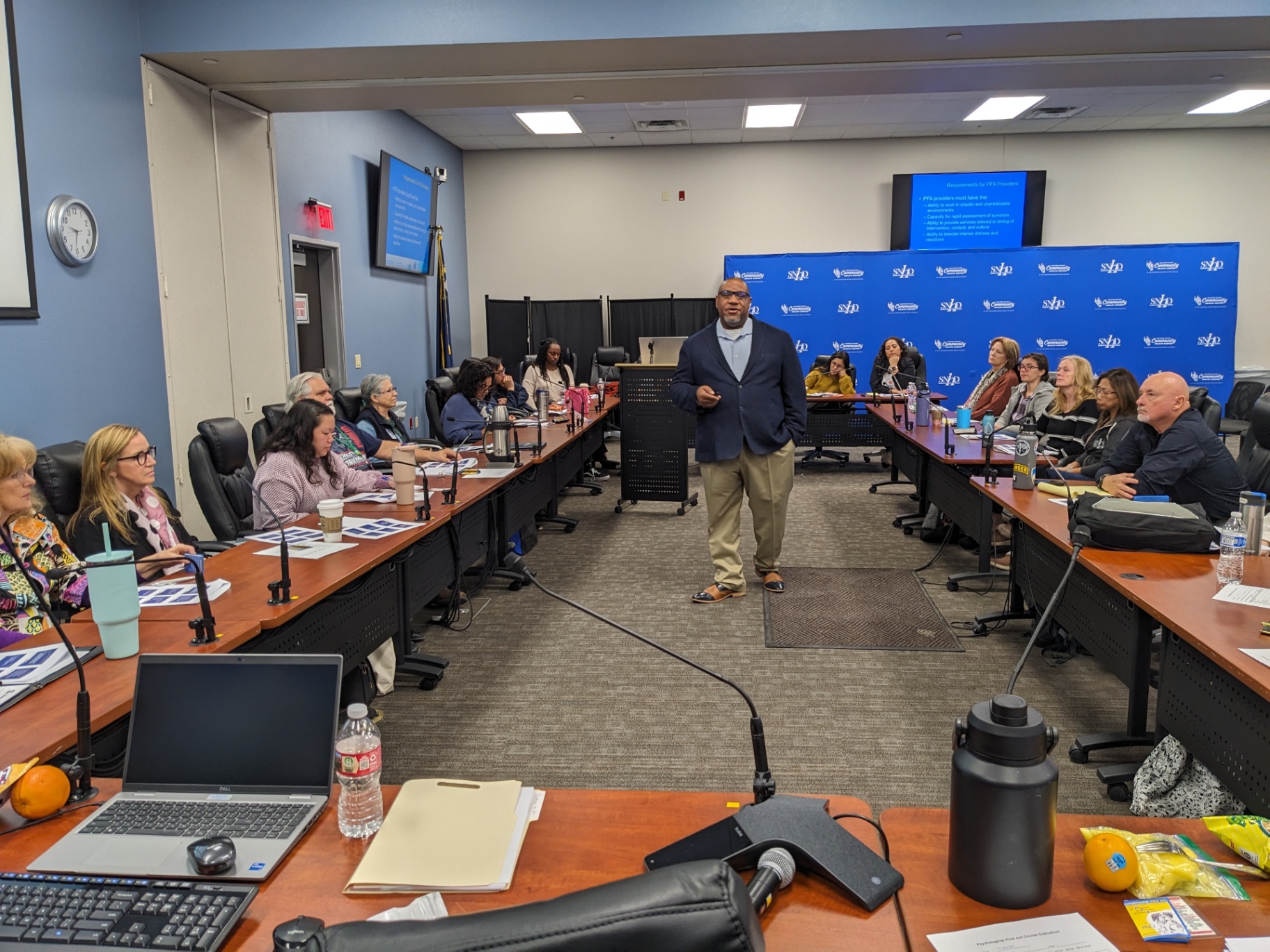
Here's what I've seen leaders experience through executive resilience coaching:
Steadier decision-making under pressure. You develop the capacity to pause before reacting, even when urgency is screaming at you. This isn't about slowing down everything: it's about creating intentional space where it counts.
A clearer, more confident leadership presence. When you're not running on fumes, your team feels it. You show up differently. You communicate more effectively. You inspire trust instead of anxiety.
Greater ease delegating and trusting others. One of the biggest signs of burnout is when you become the bottleneck. Coaching helps you identify why you're holding onto work that others could handle: and gives you frameworks to let go without losing control.
Improved focus and energy management over time. This is about more than time management. It's about auditing where your energy actually goes and redesigning your routines to protect space for strategic thinking, relationships that matter, and renewal.
Better work-life integration. Notice I didn't say "balance." Integration recognizes that work and life aren't opposing forces you're trying to keep separate. They're dimensions of who you are that need alignment, not warfare.
How Coaching Works Differently Than Training
I love a good workshop. I lead them regularly. But here's what training can't do: it can't create the sustained behavior change that prevents burnout from coming back six months later.
Executive resilience coaching is ongoing, adaptive, and deeply personal. We're not working from a predetermined curriculum. We're responding to what's showing up for you right now: in your role, with your team, in your organization.
The coaching relationship itself becomes a practice ground for the leadership presence you're developing. We work with real challenges you're facing, not hypothetical scenarios. And because it's confidential, you can be completely honest about what's not working without fear of judgment or professional consequences.

Many burnt-out managers discover they're trapped in reactive patterns: constantly responding to urgencies instead of creating space for what's strategically important. Through coaching, you develop practices for:
Auditing your habits to identify where your energy is leaking and where small shifts could create outsized impact
Managing emotional intensity so you can handle criticism constructively, process disappointment without losing momentum, and stay connected to what matters when everything feels like it's on fire
Navigating uncertainty with frameworks that help you prioritize effectively even when you don't have all the information
Building mental endurance through practical techniques including reflective questioning, scenario planning, and somatic practices that strengthen your capacity over time
The "Stop-Start-Strengthen" Framework
One of the most powerful tools I use with burnt-out leaders is surprisingly simple. It's called Stop-Start-Strengthen, and it helps you audit what's actually consuming your leadership capacity.
Stop: What behaviors, commitments, or patterns need to be eliminated? These are often the "we've always done it this way" activities that no longer serve you or your team.
Start: What new practices or approaches do you need to adopt? This might include setting clearer boundaries, building in reflection time, or delegating specific types of decisions.
Strengthen: What's already working that you need to amplify? These are your existing strengths and effective habits that deserve more attention and energy.
This framework creates clarity fast: and it becomes a tool you can return to whenever you notice yourself slipping back into unsustainable patterns.
Choosing the Right Coaching Partnership
Not all coaching is created equal, and finding the right fit matters enormously.
When you're evaluating potential coaches, look for:
Credentialing that matters. I recommend coaches with ICF PCC or MCC credentials and at least 500 hours of executive-specific coaching experience.
Proven results with leaders in similar situations. Ask about their track record with burnt-out managers, their approach to resilience, and what outcomes their clients typically experience.
A partnership dynamic, not a teacher-student relationship. The best coaching happens when you're treated as an equal partner. You need enough safety to be vulnerable and enough challenge to grow.
The most important thing? Chemistry. You should feel both comfortable and slightly uncomfortable in the relationship: comfortable enough to be honest, uncomfortable enough to be pushed beyond your current patterns.
What's Next: Building Your Resilience Infrastructure
Here's what I want you to take away from this: executive resilience coaching isn't a one-time intervention. It's ongoing infrastructure.
The most successful leaders I work with view coaching as continuous development that keeps them sharp, adaptable, and energized. They recognize that preventing future burnout is easier than recovering from it.
If you're feeling the weight of leadership right now: if you're recognizing that your current approach isn't sustainable: I want to invite you to take a next step.
I'm hosting the Resilient Leader Bootcamp on May 27th and 28th at The Mill on Lake Stevens. It's a two-day intensive designed specifically for managers who are ready to build sustainable leadership practices before burnout takes them out of the game.
We'll work through the frameworks I've shared here: and go deeper into the somatic and neuroplasticity practices that create lasting change. You'll leave with a personalized resilience plan and a community of leaders who understand exactly what you're navigating.
You can find all the registration details in the Events section of my website.
You Don't Have to Lead Alone
Leadership can feel isolating, especially when you're burnt out. You're supposed to have all the answers. You're supposed to hold it together for everyone else. You're supposed to make it look easy.
But here's the truth: the strongest leaders know when to ask for support. They recognize that developing resilience isn't a sign of weakness: it's a competitive advantage.
If you're ready to lead differently, to build the mental resilience that allows you to thrive instead of just survive, executive resilience coaching might be exactly what you need right now.
And I'd be honored to be part of that journey with you.


Comments