

Are Healthcare Leaders Drowning in AI Chaos? 7 Resilience Strategies to Lead Tech Change Without Burning Out
Let's be honest: AI isn't coming to healthcare. It's already here. And if you're leading a team through this tech transformation right now, you're probably feeling it in your bones.
The late-night emails about "shadow AI" tools your staff adopted without approval. The budget meetings where you're asked to defend AI investments you barely understand. The workflow disruptions that seem to multiply faster than you can address them. The gnawing worry that you're falling behind while also moving too fast.
You're not imagining it. The data backs up what you're feeling: only 52% of healthcare leaders feel operationally ready to implement AI, even though 78% are already engaged in AI projects. That's a massive readiness gap: and it's burning leaders out at an alarming rate.
But here's what I want you to know: You don't have to choose between leading your organization through AI transformation and protecting your own mental resilience. I've worked with healthcare leaders navigating these exact challenges, and I've seen what works.

The Real Cost of AI-Induced Leadership Fatigue
Before we dive into solutions, let's name what's actually happening. This isn't just about learning new technology. You're managing:
Cybersecurity anxiety (48% of leaders cite this as a major concern)
Budget battles when financial priorities compete (48%)
Data governance nightmares with quality and standardization issues (42%)
Expertise gaps across your leadership team (36%)
Workflow disruptions that frustrate clinical staff
Change management resistance at every level
"Shadow AI" adoption happening outside your oversight
And here's the kicker: Your C-suite is often playing catch-up to clinicians who've already adopted GenAI apps on their own. You're simultaneously trying to rein in uncontrolled adoption while also accelerating strategic implementation. It's exhausting.
This tech-induced fatigue isn't a character flaw. It's a natural response to leading through unprecedented change with incomplete information and competing demands.
7 Resilience Strategies for Leading Through AI Chaos
Here's how to navigate AI transformation without sacrificing your sanity: or your effectiveness.
1. Shift From "All-Knowing" to "Always Learning"
The fastest way to burn out during AI implementation is believing you need to be the expert on everything. You don't.
I've found that the most resilient leaders reframe their role from having all the answers to creating the conditions where good answers emerge. This means building a cross-functional AI governance team, bringing clinical staff and IT together early, and being comfortable saying "I don't know yet, but here's how we'll figure it out."
Think of it this way: Your job isn't to understand every algorithm. Your job is to ask the right questions about patient safety, workflow integration, and ethical use.

2. Create Guardrails, Not Gatekeeping
Here's a tension I see constantly: Leaders know they can't stop AI adoption, but they're terrified of uncontrolled "shadow AI" proliferating across their organization.
The resilience strategy? Design clear governance frameworks that enable innovation within boundaries. Instead of banning tools, establish evaluation criteria. Instead of top-down mandates, create approval pathways that move at the speed your teams actually work.
When you set intelligent guardrails: around data privacy, clinical validation, vendor assessment: you reduce your cognitive load because you're not making every decision in real-time crisis mode.
3. Protect Your Energy for Strategic Decisions
Not every AI decision requires your personal attention. I recommend dividing AI-related issues into three categories:
Tactical (day-to-day implementation challenges your team can handle)
Strategic (require your input on direction and resources)
Critical (impact patient safety, legal exposure, or organizational integrity)
Be ruthless about delegating tactical decisions. Save your mental bandwidth for the strategic and critical calls only you can make. This isn't about avoiding responsibility: it's about sustainable leadership.
4. Build AI Literacy Across Your Leadership Team
One reason AI feels so overwhelming is that too few people at the leadership table understand it well enough to contribute meaningfully. This puts all the burden on one or two people (probably you).
Investing in collective AI literacy isn't just smart strategy: it's a resilience move. When your entire leadership team has baseline fluency in AI concepts, you share the cognitive load. Budget for training. Create lunch-and-learns. Bring in external experts who can translate tech jargon into healthcare impact.
The goal isn't turning your CFO into a data scientist. It's ensuring everyone can engage in informed discussions about AI investments and risks.

5. Integrate AI Into Workflows, Not Around Them
I've seen too many AI implementations fail because they bolt new tools onto existing workflows, expecting staff to adopt yet another system. This creates resistance, workarounds, and leadership headaches.
The resilient approach? Design AI integration around how clinical work actually flows. Partner with frontline staff early. Pilot in contained environments. Iterate based on real-world feedback before scaling.
When AI tools genuinely reduce friction rather than adding steps, adoption happens more naturally: and you spend less time managing change resistance.
6. Establish Clear Accountability for AI Outcomes
Here's an uncomfortable truth: Many healthcare organizations are deploying AI without clear accountability structures for when things go wrong. Who's responsible if an AI-generated recommendation is clinically invalid? What happens when bias shows up in algorithm outputs?
These ambiguities create chronic stress for leaders because you're never sure where the buck stops. Establishing clear accountability: clinical oversight, AI ethics committees, defined escalation protocols: reduces this background anxiety.
You can't anticipate every scenario, but you can create frameworks for addressing problems when they emerge.
7. Schedule Recovery Time, Not Just Innovation Time
This might sound obvious, but I rarely see leaders actually do it: Build recovery periods into your AI transformation timeline.
After a major AI rollout, block time for team debriefs, lessons learned, and genuine rest. Don't immediately pivot to the next implementation. This isn't slowing down: it's preventing the accumulation of tech change fatigue that leads to poor decisions and eventual burnout.
Think of AI adoption as a series of sprints with intentional recovery periods, not a single marathon you're running until you collapse.
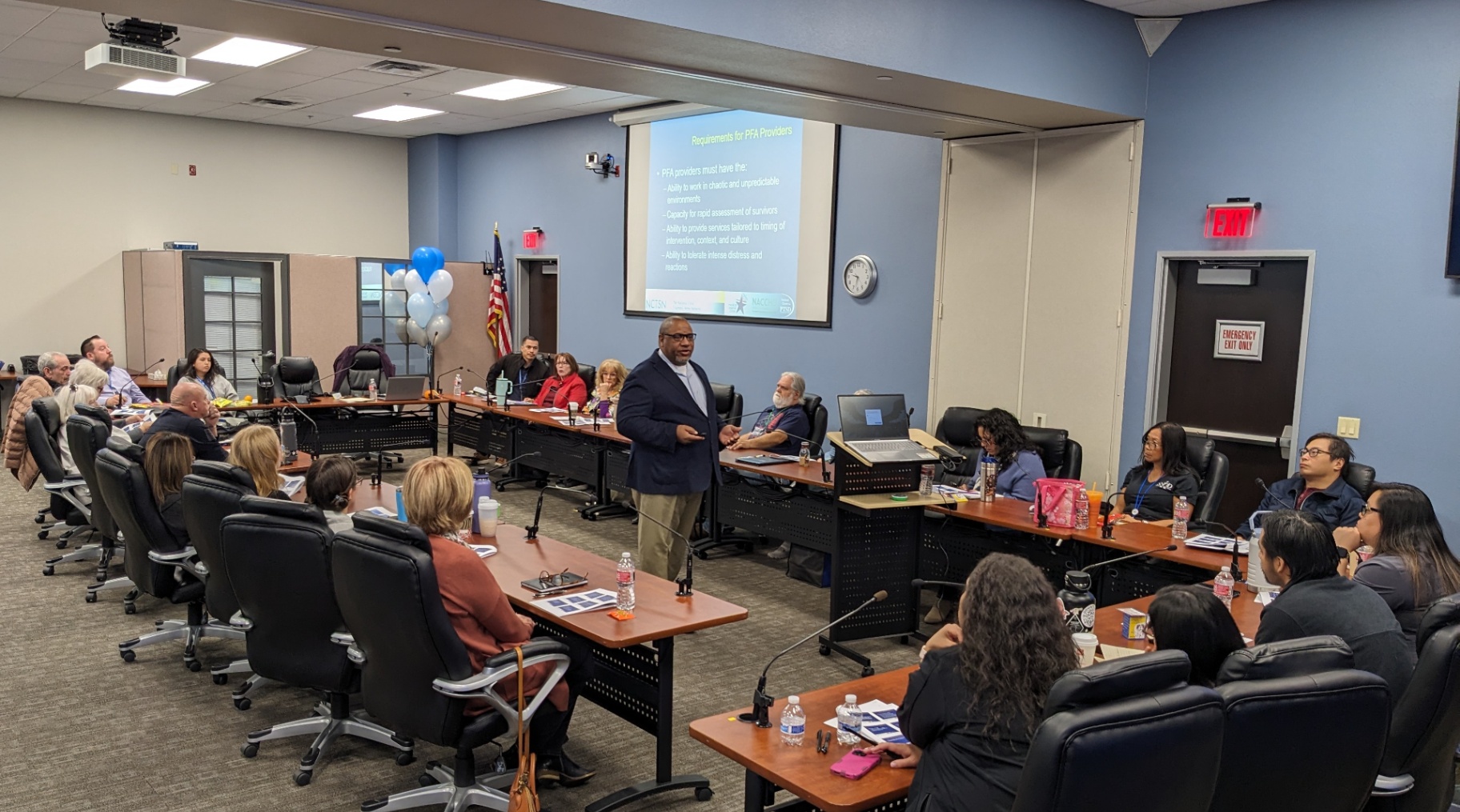
Leading AI Change Requires Mental Resilience Training
Here's what I know after years working with healthcare leaders: The technical challenges of AI adoption are real, but they're not what breaks most leaders. It's the cumulative mental load. The decision fatigue. The pressure to move fast while not making catastrophic mistakes.
You can't think your way out of burnout. You need practical resilience strategies that address how AI transformation specifically taxes your mental resources.
That's exactly why I designed the Resilient Leader Bootcamp happening May 27-28 in Lake Stevens. We're bringing together healthcare leaders navigating exactly these challenges: AI transformation, staffing crises, regulatory pressure, budget constraints: to build the mental resilience strategies that actually work in high-stress leadership roles.
This isn't a wellness retreat. It's intensive, practical training on protecting your capacity while leading through chaos. If you're feeling the weight of AI transformation alongside everything else on your plate, this experience is designed for you.
You're Not Drowning: You're Leading Through Unprecedented Change
The AI chaos you're experiencing? It's not a sign you're failing. It's evidence you're leading during a genuine technological revolution in healthcare. The discomfort means you're engaged with the real challenges, not pretending they don't exist.
But sustainable leadership through AI transformation requires more than technical knowledge. It requires mental resilience strategies specifically designed for this moment.
You can't pour from an empty cup: but you also don't have to choose between effective leadership and your own wellbeing. The leaders who thrive through AI adoption are the ones who treat their mental resilience as strategically important as their AI governance frameworks.
Your team needs you to stay in this for the long haul. That means protecting your capacity to lead well, not just lead harder.


Comments