

Beyond the Individual: Designing Leadership Systems That Sustain High Performance Under Pressure

We’ve all heard the narrative of the "heroic leader." You know the one: the individual who stays late every night, carries the weight of the entire department on their shoulders, and somehow "powers through" the most grueling crises without breaking a sweat. In sectors like healthcare, public health, and emergency response, we practically worship this level of individual grit.
But here’s the truth I’ve seen firsthand over thirty years in the field: grit is a finite resource. If you place a highly resilient person into a broken, toxic system, the system will eventually win. Every single time.
I’ve spent three decades navigating high-pressure environments: from my time as a Navy Corpsman to leading public health teams through the chaos of the COVID-19 pandemic. I’ve learned that while personal mental resilience is the foundation, it isn’t enough to stop burnout on its own. We need to stop asking leaders to just "be tougher" and start designing leadership systems that actually support them.
Together, we can move beyond treating the symptoms of burnout and start addressing the root causes.
What is a Leadership System? (Hint: It’s More Than Just a Title)
When I talk about a "system," I’m not just talking about software or organizational charts. I’m talking about the invisible architecture of your daily work. Think of a leadership system as the environment, the expectations, and the feedback loops that dictate how a leader functions.
In many organizations, the current system is designed for reactivity. It’s a series of "fires" that need to be put out, followed by a brief moment of recovery before the next alarm bells ring. This isn't just exhausting: it's unsustainable.
A true leadership system includes:
The Physical/Digital Environment: Do you have the tools and space to think, or are you constantly bombarded by low-value notifications?
Expectation Management: Is the definition of "success" clear, or is it a moving target that shifts with every crisis?
Feedback Loops: Are there mechanisms to catch fatigue before it becomes burnout, or do we only notice when someone quits?
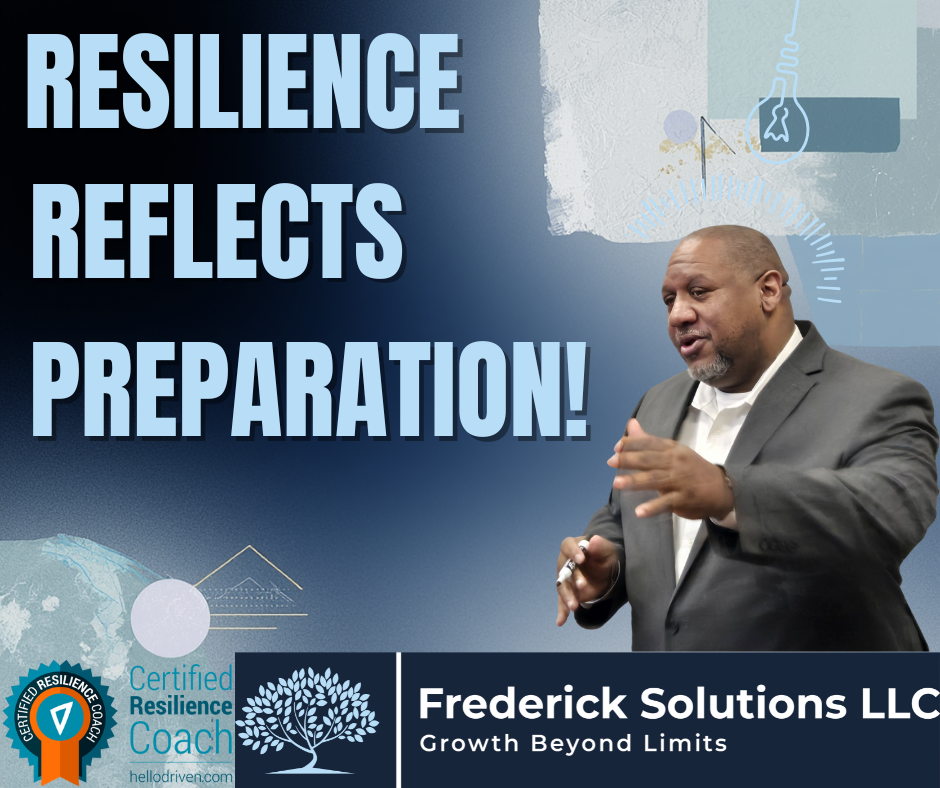
As I often say in my leadership development sessions, resilience reflects preparation. If your system isn't prepared to support you, your individual resilience will eventually wear thin.

Moving from Reactivity to Proactive Design
To change the system, we have to change our mindset. This is where systems thinking comes in. Instead of looking at a burnt-out manager as an isolated failure, we look at them as a data point in a larger process. Why did this happen? What structural pressure points are causing the fracture?
In my work with the PR6 Resilience Model, we look at six specific domains: Vision, Composure, Reasoning, Health, Tenacity, and Collaboration.

When we apply systems thinking to these domains, we move from individual fixes to systemic solutions:
1. Reasoning and System Analysis
The Reasoning domain is about more than just intelligence; it’s about how we process information under stress. A well-designed system uses Reasoning to identify the "why" behind the stress. For example, if your healthcare team is experiencing high turnover, is it because they lack "grit," or is it because the scheduling system makes it impossible to achieve the Health domain’s requirements for recovery?
2. Vision Beyond the Crisis
When you’re in the middle of a pandemic or a budget shortfall, your Vision tends to shrink. You can only see the next five minutes. A proactive leadership system creates "strategic pauses" that allow leaders to reconnect with their "Why." This is a core part of my TALK ONE - Preventing Burnout roadmap.
3. Collaboration as a Safety Net
No leader is an island. A system that prizes "rugged individualism" is a system designed for failure. True systemic resilience requires Collaboration. This means building peer networks where leaders can be transparent about their fallibility without fear of judgment. In healthcare, this could look like "leader huddles" that focus on mental wellbeing, not just patient metrics.
Practical Steps for Healthcare Organizations to Build Supportive Structures
If you’re leading a public health agency or a hospital department, you might be wondering, "Where do I even start?" You can’t overhaul an entire organizational culture overnight, but you can start applying these strategies today:
Audit Your Early-Warning Systems: Just as we monitor vital signs in patients, we must monitor the vital signs of our leaders. Are you tracking metrics like vacation-time usage, overtime hours, and employee engagement scores? These are your early-warning signs for systemic burnout.
Normalize "Composure" Training: We often assume experienced leaders naturally have Composure. They don't: they practice it. By integrating mental resilience for leaders into your standard professional development, you make it a competency, not a luxury.
Break the Silos: Systems thinking requires a bird’s-eye view. Encourage cross-departmental collaboration so that "Silo A" isn't accidentally creating a crisis for "Silo B."
Invest in Executive Coaching: Sometimes, the best way to fix the system is to give the people running it a fresh perspective. 1:1 Coaching Sessions provide leaders with the space to step back and redesign their own leadership approach.
The Ripple Effect: Why This Matters Now
I’ve seen what happens when the system fails. I saw it in the Navy when the pressure became too great for even the toughest sailors, and I saw it in the eyes of public health officials in 2020.
When a leader burns out, the impact ripples outward. It affects team morale, patient safety, and organizational stability. Conversely, when we design systems that sustain high performance, we create a ripple effect of health and stability.
Leadership is a privilege, but it’s also a responsibility: not just to your team, but to yourself. You have to be the advocate for a better system. Don't just settle for surviving; aim to thrive.
Take the Next Step: Join Us in Lake Stevens
If you’re ready to move beyond the theory and start building your own roadmap for systemic resilience, I’d love to see you at our upcoming event.
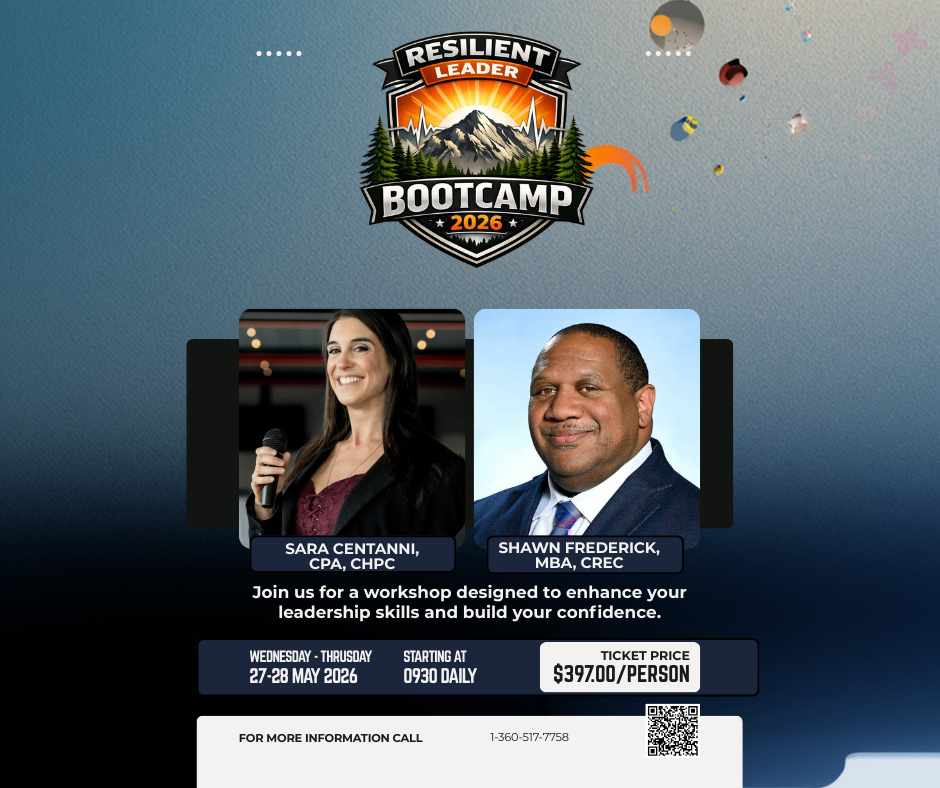
The Resilient Leader BootcampWhen: May 27–28, 2026 Where: Lake Stevens, WA What: An intensive two-day workshop where we dive deep into the PR6 domains and give you the tools to lead through adversity without burning out.
Remember, resilience isn't about bouncing back to a broken status quo. It’s about moving forward, stronger and wiser than before. Be kind to yourself, and let's start building a system that works for you, not against you.
I'm Shawn Frederick, and I'm here to help you navigate the toughest challenges of leadership. Let's get to work.


Comments