

Burnout Prevention Training Vs. Resilience Coaching: Which Actually Stops Healthcare Leader Burnout in 2026?
Here's the uncomfortable truth I've been seeing play out in healthcare organizations across the country: throwing another burnout prevention training at your leaders isn't going to fix the problem.
I know that sounds harsh. But as we navigate 2026: with staffing shortages still critical, regulatory pressures mounting, and AI integration creating new layers of complexity: healthcare leaders are drowning. And the standard "self-care workshop" approach isn't cutting it anymore.
So let me break down the real difference between burnout prevention training and resilience coaching for leaders. Because understanding this distinction might just save your leadership team: and your organization.
What Burnout Prevention Training Actually Looks Like (And Why It Falls Short)
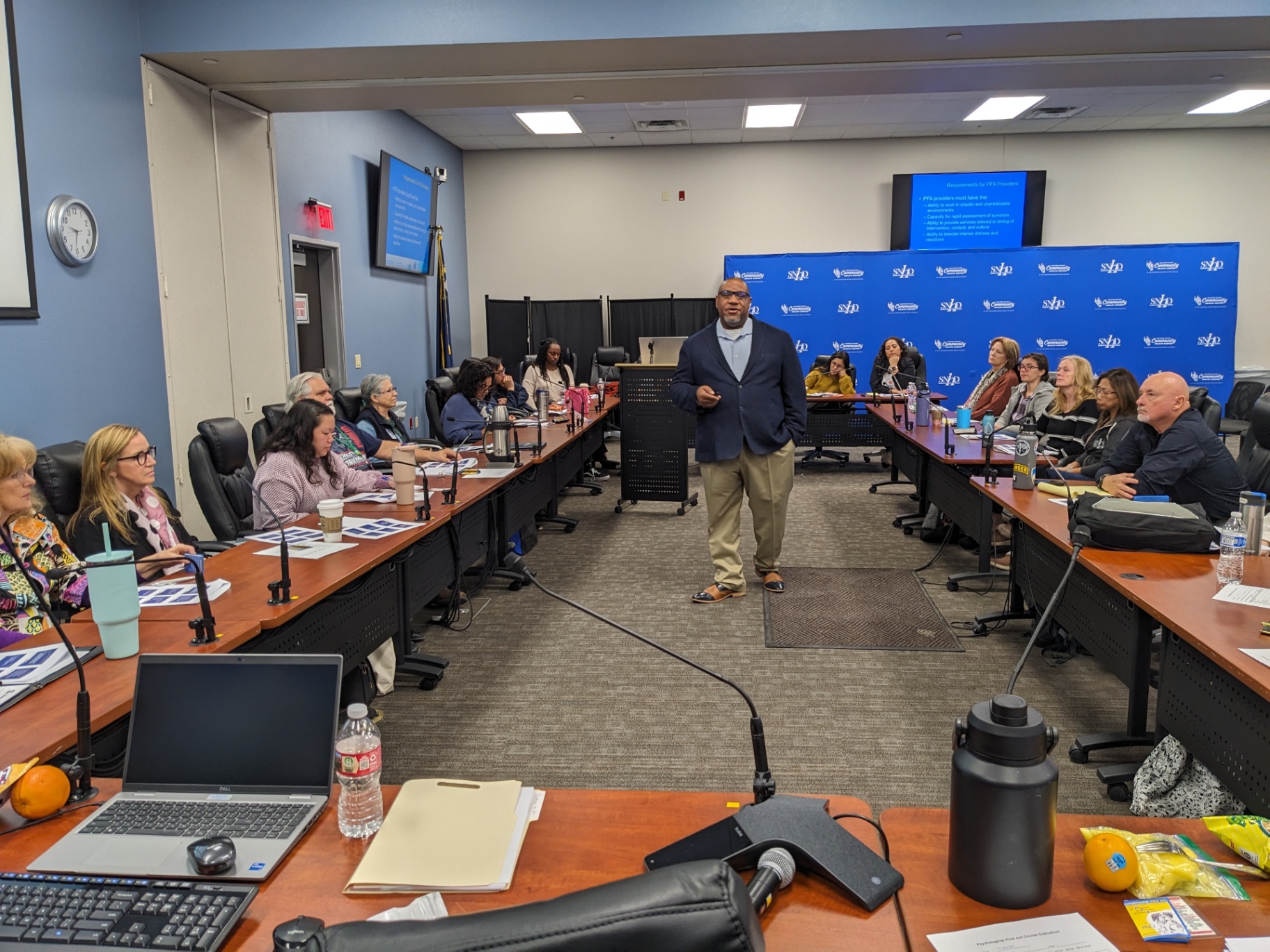
Most burnout prevention training follows a predictable pattern. You gather your leaders in a conference room (or on a Zoom call), run through a PowerPoint about stress management techniques, maybe throw in some breathing exercises, and send everyone back to work with a handout about work-life balance.
The problem? This approach is fundamentally reactive.
It's teaching people to recognize burnout after the damage has started. It's surface-level symptom management that doesn't address the cognitive patterns, structural issues, or leadership behaviors that create burnout in the first place.
Here's what standard burnout prevention training typically covers:
Warning signs of burnout (fatigue, cynicism, reduced performance)
Basic stress management techniques
Time management tips
General wellness recommendations
Maybe some information about employee assistance programs
And look: none of this is bad. It's just not deep enough to create lasting change for healthcare leaders facing unprecedented pressure in 2026.
What Resilience Coaching for Leaders Actually Does Differently
Resilience coaching takes a completely different approach. It's not about recognizing burnout after you're already burned out. It's about building the cognitive frameworks, leadership capacity, and systemic changes that prevent burnout from taking root in the first place.
When I work with healthcare leaders through resilience coaching, we're not just managing symptoms. We're rebuilding how they think about stress, how they lead through crisis, and how they create sustainable high-performance cultures.
Here's what that looks like in practice:
Cognitive Reframing Work We dig into the thought patterns that amplify stress. That inner voice telling you that every crisis requires your immediate personal intervention? We examine that. The belief that setting boundaries makes you a weak leader? We dismantle it.
Leadership Behavior Modeling Research consistently shows that when supervisors model healthy behaviors, their teams follow. Resilience coaching helps leaders demonstrate sustainable practices: not just talk about them in a training session they'll forget by next week.
Systemic Problem-Solving Instead of teaching individual coping strategies, we identify the organizational structures creating burnout. Is your on-call schedule sustainable? Are your communication norms respecting recovery time? Coaching addresses these root causes.
Personalized Strategy Development Every healthcare leader faces unique pressures. Resilience coaching creates customized frameworks based on your specific role, your team dynamics, and your organizational context.
The 2026 Healthcare Context Makes This Distinction Critical
Why does this matter more in 2026 than it did five years ago?
Because the healthcare landscape has fundamentally shifted. We're not dealing with temporary COVID crisis anymore: we're navigating permanent complexity. Staff shortages aren't getting better. Regulatory requirements aren't decreasing. Patient acuity isn't dropping. And now we're adding AI integration, telehealth expansion, and value-based care models into an already overloaded system.
Healthcare leaders can't afford surface-level interventions anymore. You need deep, structural resilience that holds up under sustained pressure.
I've seen this firsthand. Leaders who went through standard burnout prevention training could identify their stress symptoms. Great. But they couldn't change the thinking patterns that kept them in crisis mode. They couldn't restructure their teams' workflows to reduce unnecessary burden. They couldn't model the boundaries they desperately needed their staff to adopt.
Meanwhile, leaders who engaged in resilience coaching? They rebuilt their leadership approach from the ground up. They created teams that functioned sustainably. They stayed in healthcare instead of leaving for "less stressful" industries.
Which Approach Actually Stops Healthcare Leader Burnout?
Here's my answer, based on years of working with healthcare organizations: resilience coaching wins. Not even close.
Burnout prevention training has its place. It can raise awareness. It can introduce concepts. It's a starting point.
But if you want to actually stop healthcare leader burnout: not just temporarily reduce it: you need the depth that only coaching provides.
Here's why coaching works where training falls short:
Sustained Engagement Over Time Training is a one-time event. Coaching is a relationship that evolves as leaders implement changes and encounter new challenges. That ongoing support makes behavioral change stick.
Accountability and Implementation Training gives you information. Coaching ensures you actually apply it. There's a massive difference between knowing you should set boundaries and having someone guide you through difficult conversations where you actually establish those boundaries.
Customization to Real Scenarios Training uses generic examples. Coaching addresses the specific crisis happening in your unit right now, with your actual team dynamics and organizational constraints.
Leadership Capacity Building The goal isn't just to help you manage your own stress: it's to build your capacity to create resilient teams and systems. That requires skill development you can't get from a two-hour workshop.
What Healthcare Organizations Should Do Instead
If you're a healthcare administrator reading this, here's my recommendation: stop investing exclusively in burnout prevention training and start building comprehensive resilience coaching programs.
That might mean:
Partnering with coaching professionals who specialize in healthcare leadership
Creating internal coaching capacities within your organization
Establishing ongoing support systems rather than one-off training events
Measuring outcomes beyond attendance (look at retention, team performance, patient satisfaction)
Integrating resilience development into leadership promotion pathways
And if you're a healthcare leader yourself? Don't wait for your organization to create the perfect program. Seek out resilience coaching for yourself. The investment in your own leadership capacity will ripple out to everyone you supervise.
Moving From Reactive to Proactive in 2026
The healthcare leaders who thrive in 2026 and beyond won't be the ones who got really good at recognizing their burnout symptoms. They'll be the ones who built resilience into their leadership DNA: who created sustainable practices, modeled healthy boundaries, and developed the cognitive frameworks to navigate complexity without sacrificing their wellbeing.
Burnout prevention training can introduce these concepts. Resilience coaching actually builds them.
The question isn't whether you can afford to invest in deeper support for your healthcare leaders. The question is whether you can afford not to: when the cost of leadership turnover, team dysfunction, and compromised patient care far exceeds the investment in meaningful resilience development.
Ready to Build Real Resilience?
If you're a healthcare leader tired of surface-level solutions, I want to invite you to something different. The Resilient Leader Bootcamp (May 27-28 in Lake Stevens) goes beyond typical burnout prevention training. We're doing the deep cognitive reframing work, building sustainable leadership practices, and creating peer support networks that last long after the event ends.
This isn't another workshop where you'll learn stress management tips you already know. It's an intensive coaching experience designed specifically for leaders in high-pressure healthcare environments who need practical frameworks that actually work.
Learn more about the Resilient Leader Bootcamp and discover what happens when you move from reactive burnout management to proactive resilience building.
Because in 2026, healthcare needs leaders who can sustain themselves through complexity( not just recognize when they're burning out.)


Comments