

Why Mental Resilience is the Secret Weapon Against Leadership Burnout in 2026
I’ve spent over three decades in the trenches of healthcare and public health, and if there’s one thing I’ve learned, it’s this: the weight of leadership doesn't get lighter. In 2026, the pressure on healthcare leaders has shifted from the acute crises of the past to a more insidious, "quiet burnout." You see it in the eyes of your managers and feel it in the heavy silence of your boardroom.
We’re no longer just dealing with a "post-pandemic" world; we’re navigating a landscape of workforce shortages, rapid digital transformation, and a culture that feels perpetually stretched thin. If you’re leading in this environment, you’ve likely asked yourself: How much longer can I: or my team: keep this up?
The answer isn't "working harder." It’s not even "working smarter." The secret weapon for 2026 is mental resilience.
The Quiet Cracking of 2026 Leadership
Burnout in healthcare and public health isn't a new story, but the 2026 version of it is particularly dangerous. We’re seeing a rise in what experts call "quiet burnout": where leaders and clinicians appear productive and engaged on the surface but are internally "running on empty."
When I talk to executives today, they aren't just tired; they're experiencing a form of moral injury. They want to provide the best care and lead the best teams, but the systemic pressures make it feel impossible. This leads to leadership burnout, which doesn't just affect the individual: it ripples through the entire organization, affecting retention, patient safety, and overall culture.
As someone who served as a Hospital Corpsman with Marine infantry units, I’ve seen what happens when individuals are pushed to their absolute limits in high-stakes environments. I’ve also seen what makes the difference between those who break and those who thrive. It’s not about being "tough" in the traditional sense; it’s about having a structured, intentional approach to mental resilience.
Why "Bouncing Back" is a Myth
For years, we’ve been told that resilience is the ability to "bounce back." But I want to challenge that. When you’re leading a health department or a hospital system, you don’t want to bounce back to where you were before the crisis: you want to grow through it.
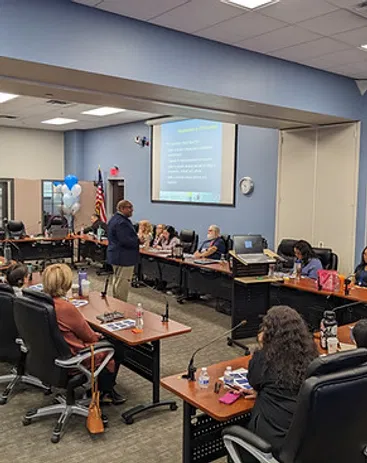
Think of resilience as a muscle, not a bungee cord. It’s something you cultivate through intentional practice and a clear roadmap. This is why I developed TALK ONE – Preventing Burnout. It’s not just a lecture; it’s a holistic roadmap designed to help you intentionally frame adverse situations, enhance your cognitive abilities, and discover your "Why."
Preventing burnout in healthcare leaders requires more than just a "wellness day." It requires a shift in how you process the world around you.
The PR6 Model: Your Roadmap to Resilience
In my coaching and workshops, I utilize the PR6 Resilience Model. This framework breaks resilience down into six trainable domains. By focusing on these, you can build a personal defense system against burnout.
1. Vision
This is your "Why." In the middle of a workforce shortage or a budget crisis, it’s easy to lose sight of why you entered healthcare in the first place. Re-anchoring your role in your mission: not just metrics: is the first step toward reclaiming your energy.
2. Composure
How do you regulate your emotions when things go sideways? Composure is about learning micro-recovery strategies. It’s the ability to stay steady during conflict, protecting both your decision-making and your health.
3. Reasoning
This is cognitive flexibility. It’s about challenging the "catastrophic thinking" that often fuels burnout. Instead of thinking, "I have to fix everything personally," reasoning helps you use data and perspective to solve problems effectively.
4. Health
You cannot lead effectively if you are running on two hours of sleep and caffeine. In 2026, sleep and physical activity are non-negotiable leadership assets. I’ve seen firsthand that chronic sleep deprivation is the fastest predictor of leadership failure.
5. Tenacity
Tenacity is persistence with a purpose. It’s not about unhealthy over-commitment; it’s about knowing when to stick with a difficult reform and when to pivot. It’s about grit that is sustainable, not self-destructive.
6. Collaboration
No leader is an island. Collaboration is about your social support network. Do you have a trusted peer network where you can be vulnerable? Relational resilience is what carries you through the toughest seasons.
Leadership is a Privilege, Not a Burden
One of the core pillars of my work is the Privilege of Leadership. When we are burned out, leadership feels like a heavy weight we are forced to carry. But when we build our mental resilience, we can return to the truth: leadership is an opportunity to shape culture and impact lives.
I’ve found that burnout prevention training is most effective when it’s proactive. You don't wait for the engine to smoke before you check the oil; you don't wait for your best managers to quit before you invest in their resilience.
How to Start Applying This Today
You don't need to overhaul your entire life by Monday. Resilience is built in small, intentional steps. Here is how you can start:
Audit Your "Why": Take ten minutes this week to write down why you do what you do. Keep it somewhere visible.
Practice Micro-Recovery: Between meetings, take 60 seconds of intentional breathing. It sounds simple, but it resets your nervous system.
Set One Boundary: Choose one "off-ramp" for your digital availability. Maybe it’s no emails after 7 PM or a "no-phone" lunch.
Invest in Professional Development: Whether it’s 1:1 coaching or a group workshop, give yourself the space to sharpen your skillset.
Building a Resilient Future
The challenges of 2026 are real, but they don't have to define your career or your health. By focusing on mental resilience for leaders, you aren't just preventing burnout: you're empowering yourself to excel in adversity.
I’ve spent 20 years developing these leadership strategies because I believe that our healthcare and public health systems deserve leaders who are as healthy as the communities they serve. Together, we can create a culture where resilience isn't just a buzzword, but a lived reality.
If you’re ready to build your personal roadmap or want to equip your team with these tools, let’s talk. The privilege of leadership is waiting for you on the other side of burnout.
Interested in bringing a resilience workshop to your organization or starting 1:1 executive coaching? Contact Frederick Solutions LLC today to learn how we can help you lead with clarity and strength.


Comments