

Growth Beyond Limits: Why Resilience is Your Competitive Advantage in 2026
We’ve all heard it before: "What doesn't kill you makes you stronger." But in the high-stakes leadership environment of 2026, I think we need to retire that cliché. It implies that resilience is just about surviving the wreckage.
In my view, true resilience isn't about "bouncing back" to where you were before a crisis. It’s about "bouncing forward." It’s about using the pressure, the chaos, and the uncertainty of our modern professional landscape to propel yourself and your team to a level of performance you previously thought was impossible.
As we navigate this year, it’s becoming clear that resilience isn't just a wellness perk or a "nice-to-have" soft skill. It is the definitive competitive advantage. Organizations that build a culture of cognitive resilience are now outperforming their peers by staggering margins.
Let’s talk about why pushing past your perceived limits is the only way to lead in 2026, and how you can start building that muscle today.
The 2026 Reality: Volatility is the New Baseline
We are living in an era of converging pressures. Between the rapid integration of AI into every workflow, shifting workforce demographics, and the lingering scars of global health crises, leaders are being squeezed from every angle.
I’ve spent over 30 years in the trenches of healthcare and public health. I have seen firsthand what happens when leaders reach their breaking point. In those high-stress environments, you don't rise to the level of your goals; you fall to the level of your training.
If your "training" consists only of occasional wellness seminars and a subscription to a meditation app, you’re bringing a knife to a gunfight. 2026 demands more. It demands executive resilience coaching that moves beyond surface-level stress management and into deep, systemic capacity building.
Pushing Past the "Perceived Limit"
Most leaders I coach have a "perceived limit": a point where they believe they can no longer handle the pressure without sacrificing their health or their personal lives. We treat this limit like a brick wall.
But cognitive resilience teaches us that this wall is often a psychological illusion.
True growth happens in the "stretch zone": that uncomfortable space between what you know you can do and what you fear you cannot. When you build cognitive resilience, you aren't just learning to endure more pain. You are re-wiring your brain to process stress differently. You are learning to see a crisis not as a threat to your stability, but as the raw material for your next breakthrough.
I often tell my clients: "Your capacity is greater than your current experience allows you to see."
Why "Wellness" Isn't Enough Anymore
For years, corporate culture focused on burnout prevention through wellness. We offered gym memberships, fruit baskets, and "mental health days." While these are great for general health, they don’t actually solve the problem of leadership burnout in high-pressure sectors.
There is a fundamental difference between burnout prevention training and resilience coaching. Wellness is defensive; it's about recovery. Resilience is offensive; it's about readiness.
In 2026, the most successful leaders are those who have stopped trying to "avoid" stress and have started "integrating" it. They recognize that the complexity of modern systems: especially in fields like healthcare: requires a level of mental grit that goes beyond standard self-care.
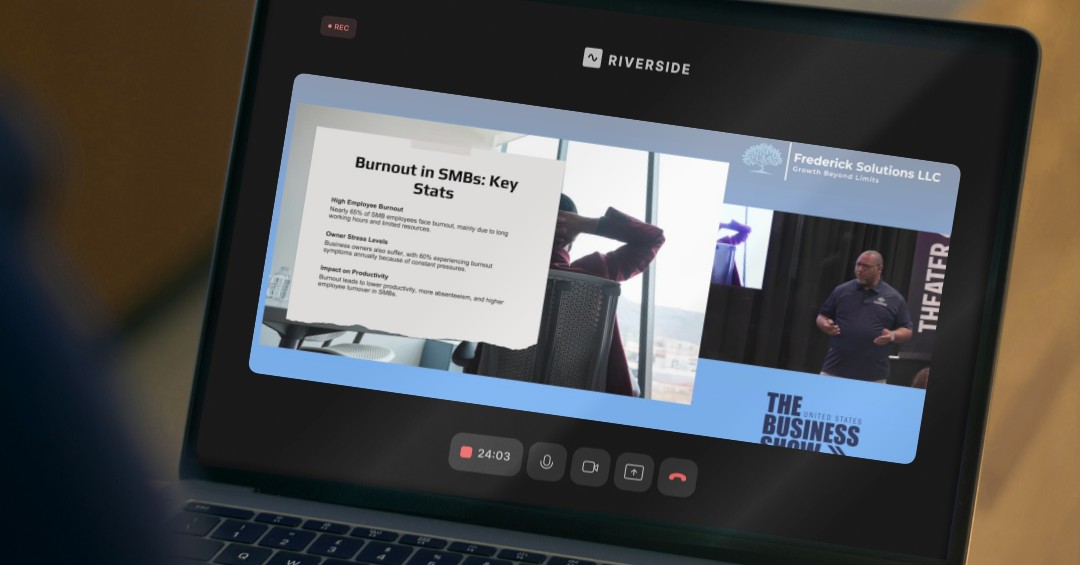
The Business Case for the Resilient Edge
If you’re a CEO or a high-level executive, you might be wondering about the ROI. Is resilience really a "competitive advantage" in the financial sense?
The data is in, and the answer is a resounding yes. Recent research shows that companies with resilient workforces demonstrate more than triple the annual revenue growth rate of their less resilient peers. We’re seeing productivity gains of up to 55% in teams where psychological safety and cognitive resilience are prioritized.
This isn't just about feeling better. It's about retaining your best people during workforce shortages and making better, faster decisions when the stakes are high. When a leader is resilient, they don't freeze when AI disrupts their industry or when a key team member leaves. They pivot.
Lessons from 30 Years in Public Health
Throughout my three decades in healthcare leadership, I’ve navigated everything from budget collapses to global pandemics. What I’ve learned is that the leaders who thrived weren't the "smartest" in the room: they were the ones with the most developed mental resilience.
They understood that leadership is an endurance sport. You can't sprint your way through a 30-year career. You need a system. This is why I founded Frederick Solutions LLC. I wanted to take the hard-won lessons from public health: where resilience is literally a matter of life and death: and bring them to the broader leadership world.
Whether you are a new manager navigating your first 90 days or a seasoned executive facing "CEO burnout," the principles remain the same: you must build the internal infrastructure to support the external demands.
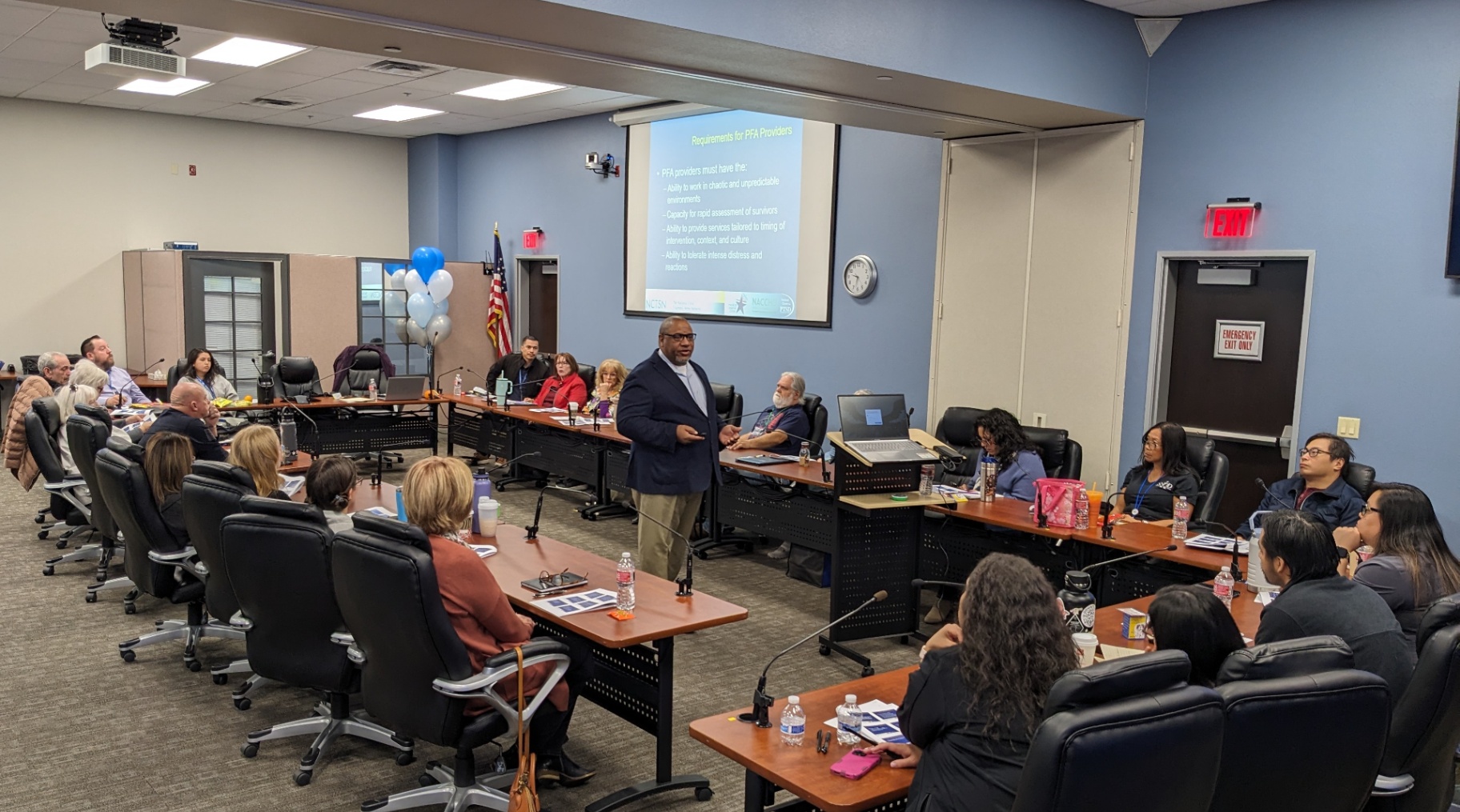
Building Your Resilience Roadmap
So, how do you actually start building this competitive advantage? It’s not something that happens overnight, but there are steps you can take today.
Audit Your Stress Response: How do you react when a project goes off the rails? Do you tighten up, or do you open up? Identifying your "default" state is the first step toward changing it.
Focus on Cognitive Flexibility: Challenge your own assumptions. Resilience requires the ability to see multiple paths forward, not just the one you've always taken.
Invest in Professional Coaching: You wouldn't expect an Olympic athlete to train without a coach. Why should a high-performance leader be any different? Leadership coaching provides the objective perspective needed to identify your blind spots.
Prioritize Psychological Safety: If your team is afraid to fail, they will never be resilient. Create an environment where "learning from mistakes" is more than just a catchphrase.
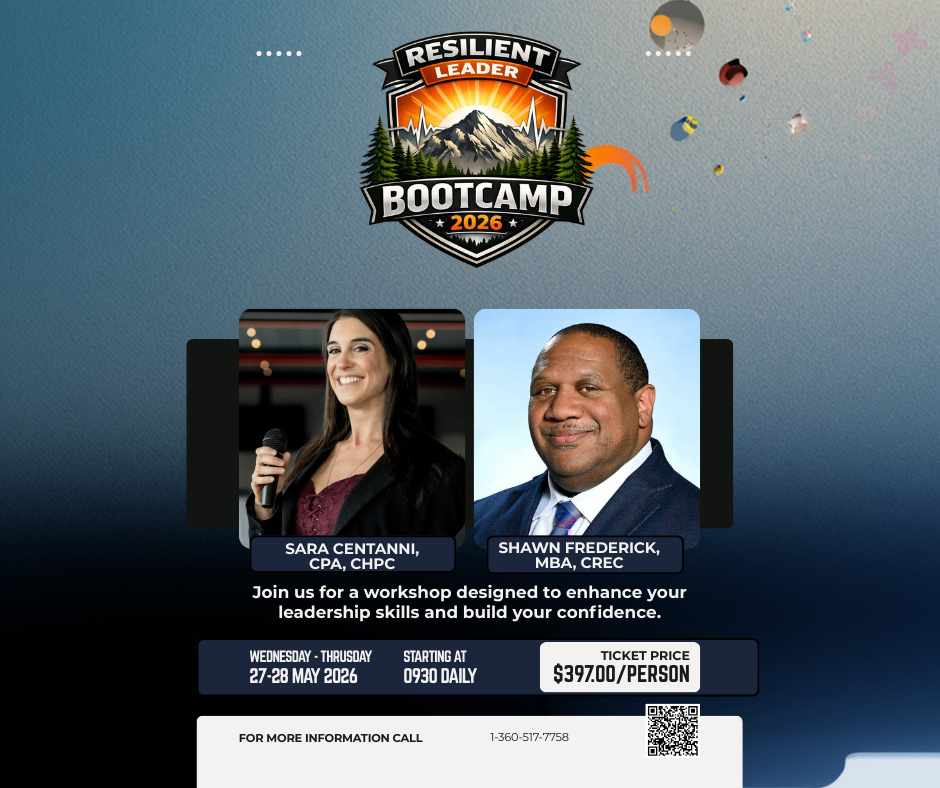
Join Us: The Resilient Leader Bootcamp 2026
If you’re ready to stop just surviving and start truly growing beyond your limits, I want to invite you to join us for a deep dive.
On May 27–28, 2026, in Lake Stevens, we are hosting the Resilient Leader Bootcamp. I’ll be joined by Sara Centanni, CPA, CHPC, and we will be providing the practical, "in the trenches" strategies that actually work in today’s high-stress environment.
This isn't a typical conference where you sit and listen to lectures. It’s a hands-on, intensive workshop designed to help you master the shift from a "clinician" or "expert" mindset to a true "leader" mindset. We’ll cover everything from cognitive resilience to leading through crisis without burning out.
The Final Word: Your Growth Has No Ceiling
The challenges of 2026 are real, but they are not insurmountable. In fact, they are the very things that will define the great leaders of the next decade.
I’ve seen leaders transform their entire organizations just by changing how they approach their own mental resilience. I’ve seen teams that were on the brink of collapse become the most innovative units in their companies.
Growth beyond limits is not a myth. It is a choice. It’s a choice to stop playing defense and start building the resilience that will make you: and your organization: unstoppable.
Are you ready to find your edge?
Let’s get to work.



Comments