

The Simple Trick to Improve Your Team’s Mental Resilience Right Now

I’ve spent the better part of three decades in the trenches of healthcare and public health. I’ve seen the highs of successful community interventions and the crushing lows of global crises like COVID-19. If there’s one thing I’ve learned from leading through those storms, it’s this: when a team is fraying at the edges: when morale is low and burnout is high: we often look at the team to find the problem.
But after 20 years of developing leadership strategies, I’ve found a more effective truth.
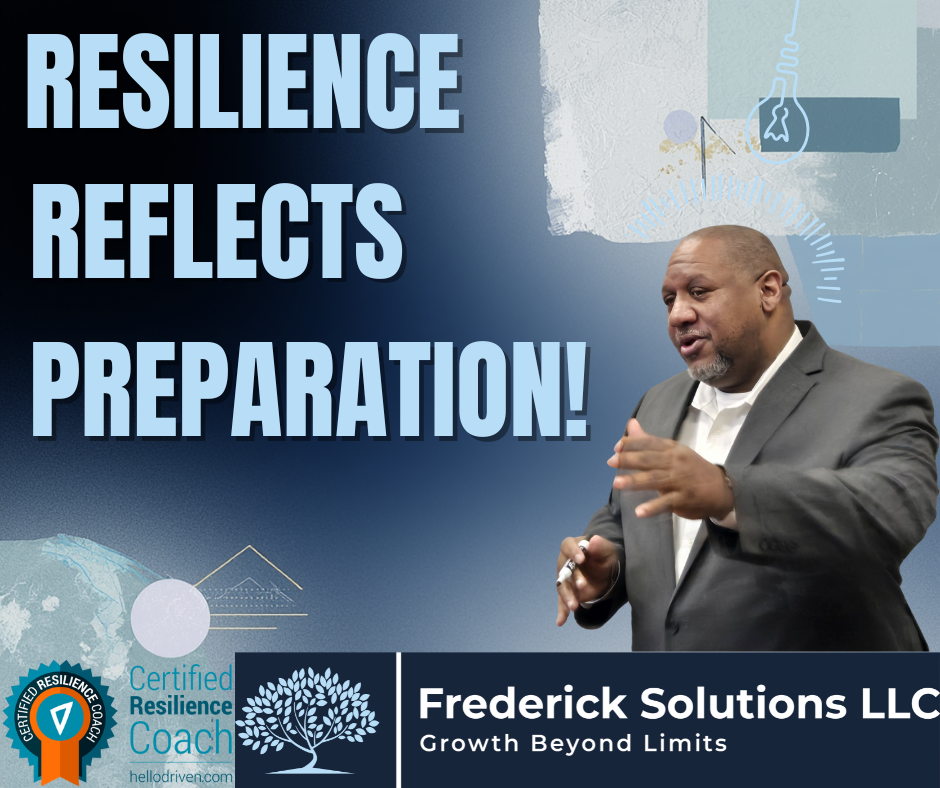
Resilience isn't just a skill you teach. Resilience is a reflection.
When you look at your team’s ability to handle stress, you’re often looking at a mirror of your own preparation and mindset. If you want to boost your team’s mental resilience right now, the fastest way isn't a three-day retreat or a complex new policy. It’s a simple shift in how you show up.
Why "Bouncing Back" is a Myth
We’ve all heard that resilience is about "bouncing back." But let’s be honest: in high-stress sectors like ours, there is no "back" to go to. The world changes, the crisis leaves its mark, and we have to move forward, not backward.
I’ve written before about why bouncing back is dead, and it’s especially true for your team. They don't need to return to who they were before the last crisis; they need the capacity to navigate the next one without breaking.
That’s where the PR6 model comes in. To lead effectively, you need to understand the six domains of resilience that actually move the needle:
Vision
Composure
Reasoning
Health
Tenacity
Collaboration

The Simple Trick: The 5-Minute Domain Audit
Here is the practical, immediate exercise you can start today. It’s called the Domain Audit.
I want you to think about the most challenging project your team is currently facing. Now, instead of asking "Why is the team struggling?" I want you to ask yourself: "Which of the six domains am I reflecting right now?"
If your team is disorganized and anxious, look at Vision. Have you clearly defined the "Why" lately, or are you just focusing on the "How"? If they are bickering and siloed, look at Collaboration. Are you modeling the shared support you want to see?
How to do it:
Pick one domain: Choose one of the PR6 areas where you feel your team is currently "leaking" energy.
Ask the "Mirror Question": "In what way is my own current state in this domain influencing their behavior?"
Take one micro-action: If you choose Composure, and you realize you've been appearing frantic, your micro-action is to spend the first two minutes of your next meeting being intentionally calm and silent before speaking.
It sounds almost too simple, doesn't it? But I’ve seen firsthand how a leader’s shift in Reasoning: taking the time to frame a setback as a learning opportunity rather than a disaster: instantly lowers the collective heart rate of an entire department.
Leading by Intentional Framing
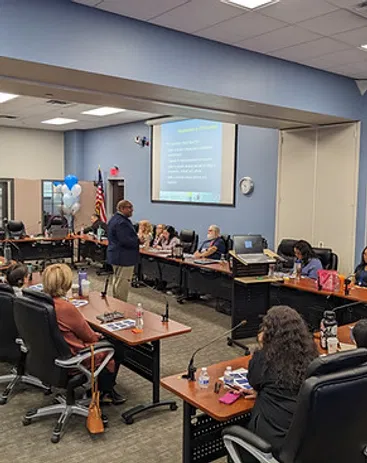
In my talk on preventing burnout, I emphasize the power of intentional framing. This is a core part of the Reasoning and Vision domains.
When your team faces a hurdle, they look to you to see how big that hurdle actually is. If you react with anxiety, they reflect that anxiety. If you react with curiosity: asking, "What does this teach us about our current process?": they begin to reflect that cognitive resilience.
Think of resilience as a muscle. You wouldn't expect a team member to walk into a gym and bench press 300 pounds without training. Similarly, you can't expect them to handle high-level crisis stress if the "muscle" of their resilience hasn't been conditioned by the environment you create.
The Privilege of the Pivot
For those of you who are new to leadership, I often talk about the Privilege of Leadership. Your biggest privilege isn't the title or the office; it’s the ability to set the emotional tone for your people.
When you prioritize your own Health and Tenacity, you give your team permission to do the same. If you are constantly answering emails at 2 AM, no amount of "wellness seminars" will convince your team that you value their mental health. They will reflect your actions, not your words.
Putting it Into Practice Today
If you want to dive deeper into these domains, I recommend looking into a structured resilience roadmap. But you don't have to wait for a roadmap to start.
Here are three things you can do in the next 24 hours to improve your team’s resilience:
The "Why" Check-in: In your next one-on-one, don't ask about tasks. Ask, "How does the work you did this week align with our bigger goal?" (Vision)
The Composure Reset: Before your most stressful meeting of the day, take 60 seconds to just breathe. Walk into that room with a lower baseline of stress. (Composure)
The Collaboration Shout-out: Publicly recognize a moment where two team members helped each other solve a problem. Make it about the support, not just the solution. (Collaboration)
Take the Next Step
I’m a firm believer that leadership is a journey we shouldn't walk alone. I’ve been where you are: feeling the weight of a team’s well-being on my shoulders while trying to manage my own fatigue. It’s why I’m so passionate about coaching leaders to find their "Why" and build mental resilience that actually lasts.
If you’re ready to move beyond "surviving" and start leading with real, sustainable capacity, I’d love to see you at our upcoming Resilient Leader Bootcamp.
It’s happening May 27–28 in Lake Stevens. We’ll spend two days diving deep into the PR6 model, practicing these exercises, and building your personal roadmap to avoid burnout. It’s a chance to step away from the daily grind and focus on the most important tool in your leadership kit: you.

Together, we can create a culture where resilience isn't just something we talk about, but something we live every day. Your team is waiting to see what you reflect next.
Be kind to yourself, stay focused on your vision, and remember( you’ve got this.)


Comments