.png)
.png)

Why Leadership Resilience Will Change the Way You Manage High-Stress Teams in 2026
Updated: 2 days ago
If you feel like you’ve been sprinting a marathon for the last few years, you’re not alone. Here we are in 2026, and the pace of work in high-stress sectors: healthcare, public health, and government: hasn’t exactly slowed down. In fact, the complexity has only ramped up.
I’ve spent years working with leaders who are brilliant at what they do, but they’re often running on fumes. They think that "pushing through" is the only way to manage a high-pressure team. But I’m here to tell you that the old-school "grit" model is broken. It doesn't just lead to individual exhaustion; it causes organizational collapse.
In 2026, the most successful managers aren’t the ones with the longest hours: they’re the ones with the highest mental resilience. Resilience isn't just a "wellness perk" or a soft skill anymore. It is a measurable performance strategy that protects your decision quality, your team’s execution speed, and your bottom line.
The Performance Connection: Why Resilience is Your Best ROI
Let’s get one thing straight: resilience is not about "stress management." It’s about organizational outcomes under fire.
Research has shown that firms with high-resilience leadership delivered significantly higher returns during economic shifts compared to those without. When you invest in leadership resilience, you aren't just helping people "feel better." You are protecting the team against the hidden costs of strain: slowed decision-making, execution drift, and the devastating loss of senior talent.
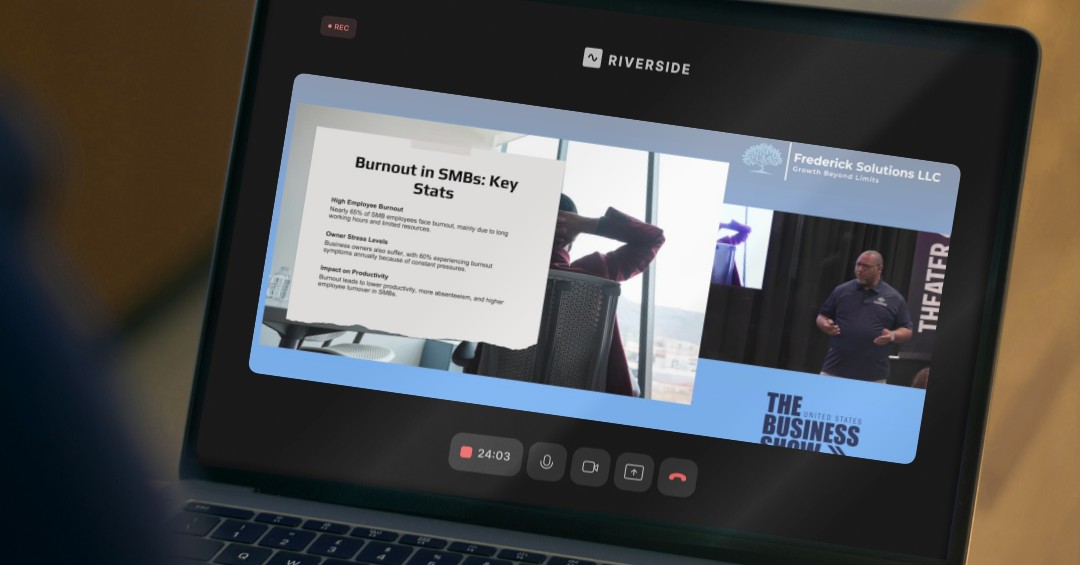
When leadership resilience drops, psychological safety erodes first. People stop raising issues because they’re afraid of adding to the "pile." This is where high-stress teams break down most dangerously. If you want to see your team thrive in a crisis, you have to build the capacity to stay steady while the world is spinning.
Master the "70% Rule" (Stop Waiting for Certainty)
One of the biggest drivers of burnout for managers in high-pressure environments is the "Analysis-Paralysis" trap. We feel like we need 100% of the data before we can make a move, especially when the stakes are high: like in public health or government.
I teach my clients the 70% Rule.
The rule is simple: if you have 70% of the information, 70% of the resources, and a 70% confidence level, you must take action. Waiting for that extra 30% creates a bottleneck that stresses your team out more than a slightly imperfect decision ever would.

When you wait for 100% certainty, you’re essentially operating from a place of fear. That fear is contagious. Your team feels the hesitation, and it manifests as anxiety. By making the call early, you demonstrate trust in your team's ability to pivot if things change. It’s about building a culture of agility rather than a culture of perfectionism.
If you're a new manager, this might feel terrifying. But I've found that mastering these skills is what separates the survivors from the true leaders.
Reframing Adversity: It’s Not Happening To You, It’s Happening For You
In high-stress sectors, adversity is guaranteed. You’re going to deal with budget cuts, staffing shortages, and shifting regulations. You can’t control the chaos, but you can control the frame.
Reframing adversity is the mental shift from asking "Why is this happening to us?" to asking "What is this teaching us?" or "How can we use this to get better?"
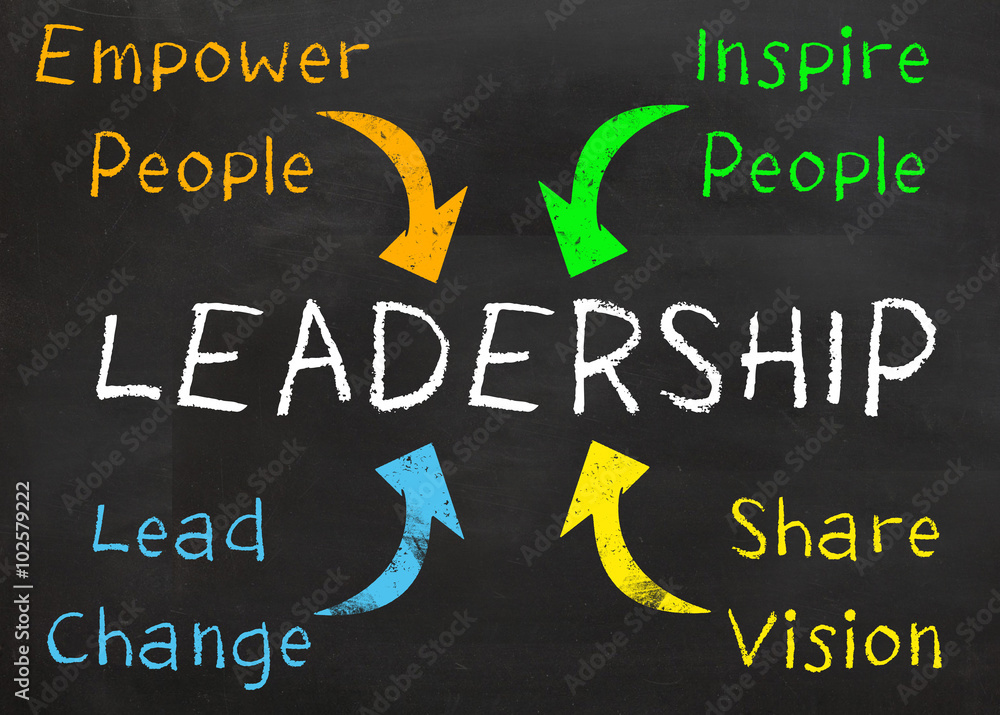
I’ve seen firsthand how a leader’s perspective can change the entire energy of a room. When you view a challenge as an opportunity to innovate or to strengthen team bonds, your team follows suit. This isn't toxic positivity: it’s strategic optimism. It’s acknowledging the difficulty while refusing to be a victim of it.
Think about the last time your department faced a major setback. Did you dwell on the loss, or did you look for the "growth edge"? Reframing is a muscle. The more you use it, the stronger your team’s collective resilience becomes.
Finding Your "Why": The Ultimate Anchor
When the pressure is at its peak, what keeps you from walking away?
In sectors like healthcare and public service, the "Why" is usually rooted in a desire to help others. But under the weight of administrative tasks and back-to-back meetings, we lose sight of that.

To stay grounded, you have to find your personal anchor. Why did you step into leadership in the first place? Was it to mentor the next generation? To fix a broken system? To ensure your community has the resources it needs?
When you lead from your "Why," you’re not just managing tasks; you’re fulfilling a mission. This internal clarity acts as a buffer against secondary trauma and burnout. If you want to help your team stay motivated, you have to help them find their "Why," too. Remind them of the impact they’re making, even: and especially: when the day feels like a loss.
Managing the Team Without Burning Out Yourself
As a leader, you are often the "stress sponge" for your team. You absorb their frustrations, their fears, and their burnout. But if you’re not careful, you’ll become the bottleneck.
Here is how you manage a high-stress team effectively in 2026:
Recognize Subtle Strain Early: Don't wait for the resignation letter. Look for delayed responses, missed deadlines, or a change in a team member's tone. These are the early warning signs of leadership burnout.
Build Recovery Rhythms: High-stress work requires active recovery. I’m not talking about a two-week vacation once a year. I’m talking about micro-breaks, "no-meeting" Fridays, or even just 10 minutes of silence between calls. Model this for your team.
Transparent Decision-Making: When things are chaotic, people need to know the reasoning behind decisions. Even if the news is bad, transparency builds trust. Trust is the foundation of resilience.
If you’re a new manager, you might find yourself making the 7 psychological safety mistakes that accidentally trigger team burnout. It happens to the best of us. The key is to catch it and pivot.
The Structural Shift: Resilience as a Rhythm
The organizations that will dominate the late 2020s are those that move away from "one-off" resilience training and toward a continuous rhythm of support. This means implementing peer reflection forums, behavioral diagnostics, and scalable coaching.
It’s about moving from "individual grit" to "organizational capability." You shouldn't have to be a superhero to work in healthcare or government. The system should be designed to support the human beings within it.
I’ve spent my career helping leaders build these systems through executive resilience coaching. Whether you’re a seasoned CEO or a first-time supervisor, the goal is the same: to lead effectively without breaking.
Take the Next Step
Leadership is a journey, and you don't have to walk it alone. If you're ready to move from surviving to thriving, I invite you to join us at the Resilient Leader Bootcamp.
We’ll be diving deep into these strategies on May 27-28, 2026, in Lake Stevens. It’s a two-day intensive designed specifically for leaders in high-stress sectors who are ready to reclaim their focus and lead their teams with renewed confidence.

You can find more details and register at Shawn Frederick Speaks Events.
Remember, your team doesn't need you to be perfect. They need you to be resilient. They need you to stay in the game, make the tough calls, and show them that even when the pressure is on, growth is always possible.
Let’s build something stronger together.
Want to dive deeper into these concepts? Check out our discussion group for ongoing leadership insights or explore our ultimate guide to mental resilience.
Comments